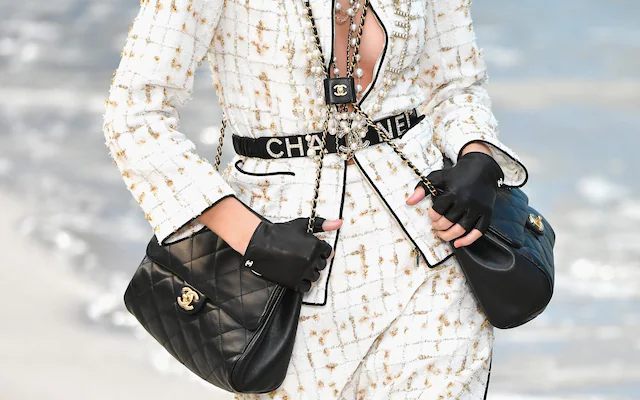
Few fashion accessories spark as much curiosity as a Chanel handbag price tag. Shoppers often notice that the cost of iconic models such as the Classic Flap or 2.55 seems to climb every year. In fact, the price of a Medium Chanel Classic Flap has risen from roughly $4,900 in 2016 to around $11,300 by 2025, more than doubling in less than a decade.
For collectors and first-time luxury buyers alike, the question naturally arises: why do Chanel bags keep increasing in price? The answer is more complex than simple inflation. It reflects a mix of luxury brand strategy, craftsmanship, global demand, and psychological economics.
Understanding these forces reveals why Chanel handbags remain some of the most expensive—and most sought-after—bags in the fashion world.
The Long History of Chanel Bag Price Increases

Chanel handbags have been steadily rising in price for decades. When Gabrielle “Coco” Chanel introduced the famous 2.55 handbag in 1955, it sold for around $220. Today, the same design can cost over $11,000, illustrating how dramatically luxury pricing has evolved.
The acceleration in price increases has been especially noticeable in recent years. Analysts note that since the mid-2010s, Chanel has implemented price hikes almost every year, sometimes multiple times within a single year.
This pattern is not random. Chanel’s pricing strategy reflects a broader transformation in the luxury industry, where handbags have shifted from fashionable accessories into long-term luxury assets and status symbols.
Rising Material and Production Costs
One of the most straightforward reasons behind price increases is the cost of production. Luxury handbags rely on high-quality materials such as premium lambskin leather, caviar leather, and precious metals for hardware.
As global supply chains have become more expensive, the cost of raw materials has risen as well. Leather production, metal hardware manufacturing, and artisanal labor all contribute to higher costs for luxury brands.
Chanel also produces many of its handbags in specialized French workshops where skilled artisans handle dozens of steps in the construction process. Each bag may require hundreds of detailed operations by trained craftsmen, which significantly increases labor costs.
When these production expenses rise, luxury brands often adjust retail prices accordingly.
The Luxury Strategy of Exclusivity
Beyond production costs, Chanel’s pricing strategy is also deeply tied to the psychology of luxury.
Luxury brands rely heavily on exclusivity. A product becomes more desirable when it is rare or difficult to obtain. By gradually increasing prices, Chanel reinforces the perception that its handbags are elite products reserved for a select group of customers.
This strategy mirrors what economists call scarcity marketing, where limited availability increases perceived value.
Rather than chasing mass sales, Chanel focuses on maintaining an image of timeless prestige. Higher prices help protect that image by ensuring the brand remains associated with exclusivity rather than accessibility.
Chanel’s “Luxury Positioning” Strategy

In recent years, Chanel has been intentionally repositioning itself as an ultra-luxury brand, similar to Hermès.
This shift has influenced pricing decisions significantly. Instead of competing with other high-fashion labels such as Gucci or Prada, Chanel increasingly positions its iconic handbags closer to the top tier of luxury.
Industry observers note that Chanel bag prices no longer follow traditional fashion pricing cycles. Instead, they move according to long-term brand strategy and prestige positioning.
By raising prices regularly, Chanel strengthens the perception that its handbags belong in the same category as collectible luxury objects rather than seasonal fashion items.
The Impact of Global Demand
Another major factor behind Chanel’s rising prices is simple economics: demand remains extremely strong.
Chanel handbags are consistently among the most desired luxury accessories worldwide. Buyers from markets such as China, South Korea, the United States, and the Middle East continue to drive global demand.
Even during periods of economic uncertainty, the luxury sector often remains resilient because wealthy consumers continue purchasing high-end products. Strong demand allows Chanel to increase prices without dramatically reducing sales.
In some cases, price increases can even accelerate demand. Buyers may rush to purchase a handbag before the next price increase takes effect, creating a cycle where rising prices stimulate more buying activity.
This phenomenon is especially common with iconic models like the Classic Flap and Boy Bag.
The Veblen Effect: When Higher Prices Increase Demand
Luxury goods often follow a different economic rule than ordinary products.
For everyday items, higher prices usually reduce demand. But for certain luxury products, the opposite can happen. This phenomenon is known as the Veblen effect.
With Veblen goods, a higher price can actually make the item more desirable because it signals prestige and status.
Chanel handbags are a classic example. As prices rise, the bags become even stronger symbols of wealth and exclusivity, reinforcing their desirability among luxury consumers.
This psychological effect plays a major role in Chanel’s pricing power.
Global Price Harmonization
Another lesser-known factor behind Chanel’s price increases is global price harmonization.
Historically, Chanel bags were cheaper in certain regions—particularly Europe—than in Asia or the United States. As international travel and luxury shopping increased, many buyers traveled abroad specifically to purchase handbags at lower prices.
To address this imbalance, Chanel began adjusting prices worldwide to reduce these regional gaps. This process contributed to noticeable price increases in markets where bags had previously been cheaper.
By standardizing prices globally, Chanel protects its brand image and prevents large differences between markets.
The Power of the Resale Market
The booming resale market for luxury handbags has also influenced Chanel’s pricing strategy.
Pre-owned Chanel bags frequently retain strong resale value, and in some cases rare models can even sell for more than their original retail price.
This strong resale performance reinforces the perception that Chanel handbags are not merely accessories but investment pieces.
When buyers believe that a handbag will retain or increase its value, they become more willing to pay higher retail prices. Luxury brands are well aware of this dynamic.
In other words, the success of the resale market helps justify higher retail prices for new bags.
Inflation and Economic Pressures
Like many industries, luxury fashion has also been affected by global economic trends.
Inflation, currency fluctuations, and rising logistics costs have pushed prices higher across the entire luxury sector. Chanel executives have acknowledged that inflation and the cost of raw materials contribute to their pricing decisions.
However, analysts generally agree that these factors alone cannot explain the full extent of Chanel’s price increases.
Instead, inflation acts as one part of a larger strategy that combines economic realities with deliberate brand positioning.
Marketing, Heritage, and Brand Power
Chanel’s price increases are also supported by the brand’s powerful heritage and storytelling.
Founded more than a century ago, Chanel has built a reputation for timeless elegance and craftsmanship. Its handbags are closely associated with cultural icons, celebrities, and fashion history.
The Classic Flap bag, designed by Karl Lagerfeld in 1983 as an evolution of Coco Chanel’s 2.55, has become one of the most recognizable handbags in the world.
Because of this cultural significance, Chanel handbags often function as symbols of identity and personal style, not merely fashion accessories. This emotional connection allows the brand to command premium prices.
Are Chanel Bags Still Worth the Price?
The question of value ultimately depends on perspective.
For collectors and enthusiasts, Chanel handbags represent enduring design, heritage craftsmanship, and strong resale potential. For others, the rising prices may make them increasingly difficult to justify.
Recent discussions in the luxury industry suggest that some consumers are beginning to push back against aggressive price increases. Nevertheless, Chanel handbags remain among the most sought-after luxury items in the world.
Their desirability continues to drive strong demand despite the rising price tags.
The Future of Chanel Bag Prices
Looking ahead, it is unlikely that Chanel handbag prices will stop rising entirely. Luxury brands tend to adjust prices periodically to maintain exclusivity and reflect economic changes.
However, the pace of increases may fluctuate depending on market conditions and consumer sentiment.
What remains clear is that Chanel handbags have evolved beyond seasonal fashion items. They have become cultural artifacts, luxury investments, and powerful status symbols.
As long as demand remains strong and the brand continues to emphasize exclusivity, Chanel bags will likely keep getting more expensive.
Conclusion
Chanel bag price increases are the result of multiple forces working together. Rising production costs, strategic luxury positioning, global demand, resale market influence, and psychological factors all play a role.
Over time, Chanel has carefully transformed its handbags into products that symbolize prestige, craftsmanship, and rarity. By consistently raising prices, the brand reinforces its place at the top of the luxury fashion hierarchy.
For buyers and collectors, understanding these dynamics provides valuable context. While the price tags may continue climbing, Chanel handbags remain one of the most iconic—and fascinating—examples of how luxury pricing works in the modern fashion industry.
More FAQs About Why Chanel Bags Keep Increasing in Price
Does Chanel increase prices every year?
Chanel often raises handbag prices regularly, and in many years the brand has implemented at least one increase. While the timing can vary, shoppers have come to expect periodic adjustments on core styles.
Why is the Chanel Classic Flap so much more expensive now?
The Chanel Classic Flap has become far more expensive because it sits at the center of Chanel’s luxury positioning strategy. The bag is treated as an icon, which allows the brand to raise prices while reinforcing exclusivity, heritage, and status.
Do Chanel price increases affect all bags?
Not every Chanel bag increases by the same amount at the same time, but price hikes often affect the brand’s most recognizable lines first. Classic models such as the Classic Flap, 2.55, and Boy Bag are usually the most closely watched.
Why do luxury brands like Chanel keep raising prices?
Luxury brands raise prices to cover higher production costs, protect brand prestige, and maintain exclusivity. In Chanel’s case, price increases also support the perception that its handbags are timeless luxury pieces rather than ordinary fashion accessories.
Are Chanel bags overpriced now?
Whether Chanel bags are overpriced depends on the buyer. Some shoppers believe the bags still justify their cost through design, heritage, and resale value, while others feel recent increases have pushed prices beyond what they consider reasonable.
Will Chanel bags become even more expensive in the future?
Many luxury observers expect Chanel bags to continue getting more expensive over time. As long as demand remains strong and Chanel continues emphasizing scarcity and prestige, future price increases are likely.
Why do people still buy Chanel bags after price hikes?
People continue buying Chanel bags because the brand carries strong emotional, social, and resale appeal. For many buyers, owning a Chanel bag represents personal reward, timeless style, and access to a recognized luxury symbol.
Do Chanel price increases help resale value?
Retail price increases can help support resale values, especially for classic Chanel styles. When new bags become more expensive at boutique level, pre-owned bags can appear more attractive to buyers looking for relative value.
Which Chanel bags are most affected by price increases?
The most iconic Chanel bags are usually the most affected by price increases. These often include the Classic Flap, 2.55 Reissue, Boy Bag, and other core silhouettes with strong brand recognition and consistent demand.
Is Chanel trying to make its bags more exclusive?
Yes, Chanel appears to be reinforcing exclusivity through higher prices, tighter control over supply, and stronger luxury positioning. This helps the brand maintain a premium image and separate itself from more accessible designer labels.
Why are Chanel bags often compared to Hermès now?
Chanel is often compared to Hermès because both brands emphasize craftsmanship, prestige, and exclusivity. Chanel’s repeated price increases have led many shoppers and analysts to view it as moving closer to Hermès in luxury positioning.
Do Chanel bag prices increase because of inflation alone?
No, inflation is only one part of the story. Chanel bag prices also rise because of branding strategy, global demand, craftsmanship costs, and the desire to strengthen the house’s ultra-luxury image.
Are Chanel bags cheaper on the resale market after a price increase?
Not always. Sometimes resale prices rise alongside retail increases, especially for popular classic bags. In-demand pre-owned Chanel bags may remain expensive because buyers see them as alternatives to higher boutique prices.
Why does Chanel limit discounts and sales?
Chanel avoids discounting because discount culture can weaken a luxury brand’s image. By keeping bags away from seasonal sales, the brand protects exclusivity and supports the idea that Chanel pieces hold lasting value.
Do Chanel price hikes make buyers shop faster?
Yes, anticipated price hikes can push buyers to purchase sooner. Many shoppers rush to buy before the next increase, which can create urgency and actually strengthen demand in the short term.
Why do collectors pay so much attention to Chanel price history?
Collectors follow Chanel price history because it helps them understand market trends, resale potential, and the long-term cost of iconic bags. Price history also shapes perceptions of which styles are becoming more collectible.
Does Chanel use price increases to control demand?
Price increases can help Chanel manage demand by making its bags more exclusive and slowing purely impulse purchases. At the same time, higher prices can increase desirability among buyers who associate cost with prestige.
Why do some buyers prefer vintage Chanel instead of new Chanel?
Some buyers prefer vintage Chanel because they appreciate older craftsmanship, past hardware styles, and the relative value of secondhand pricing. Vintage pieces also appeal to shoppers who want rarity and fashion history.
Do Chanel bag prices rise the same way in every country?
Not exactly. Chanel has tried to harmonize prices globally, but differences can still appear because of taxes, currency changes, and regional pricing structures. Even so, major price gaps between countries are smaller than they used to be.
Should you buy a Chanel bag before the next price increase?
If you already plan to buy a Chanel bag and have chosen the style you want, purchasing before a confirmed price increase can make sense. However, it is still important to buy for personal use and enjoyment, not just because of fear of rising prices.


