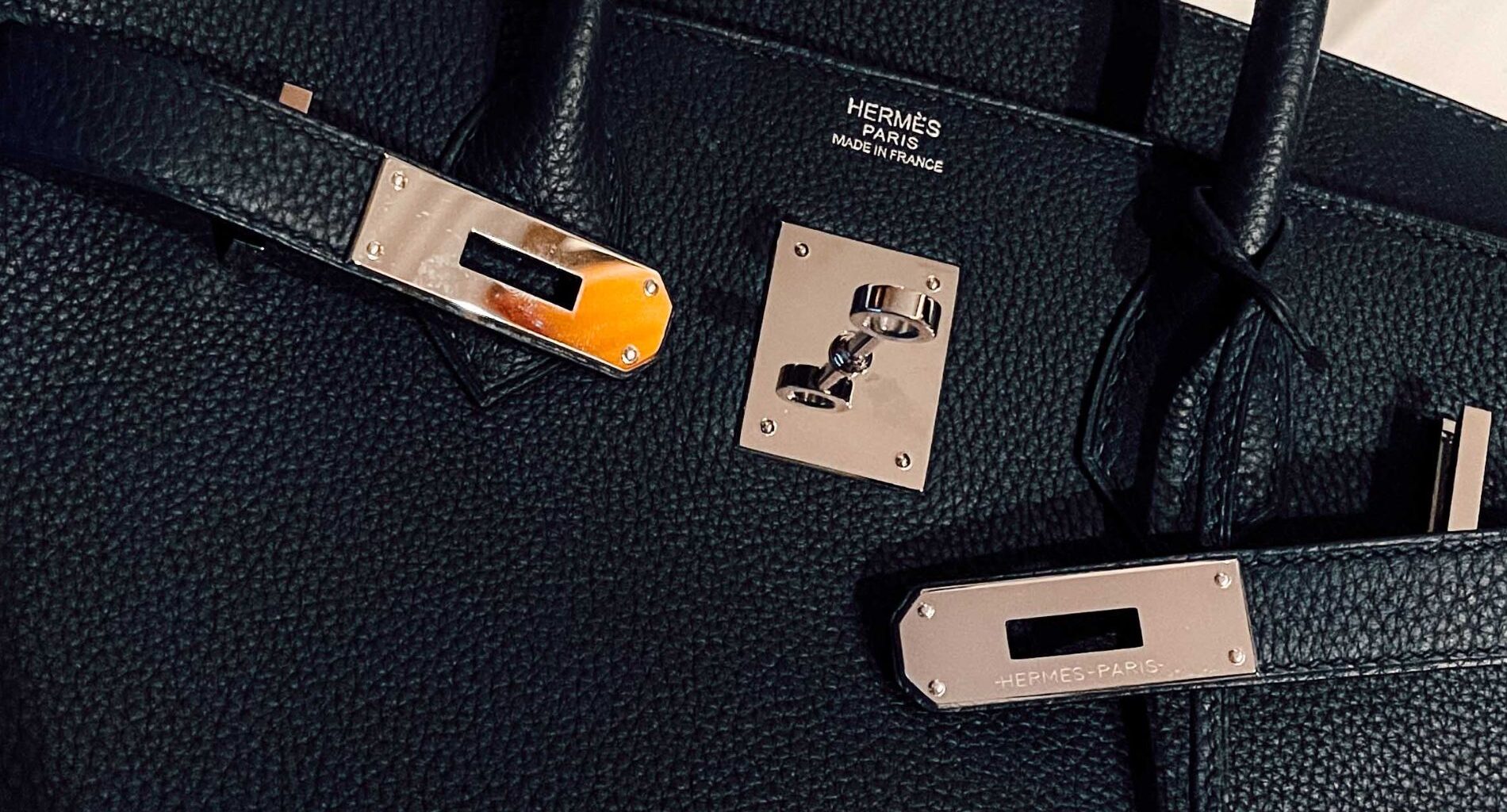
When it comes to luxury handbags, few names carry as much weight—or command as much desire—as the Hermès Birkin. From its jaw-dropping resale prices to its years-long waitlists, the Birkin has become more than just a bag. It’s a cultural phenomenon, a collector’s item, and perhaps the ultimate status symbol in fashion.
But how did a leather tote, originally created for practicality, become the crown jewel of quiet luxury? Let’s take a closer look at the fascinating history of the Birkin bag and how it earned its iconic reputation.
It All Started on a Plane: The Birth of the Birkin

The story begins in 1984 with a chance encounter between Jean-Louis Dumas, then-chief executive of Hermès, and British actress and singer Jane Birkin. Seated next to each other on a flight from Paris to London, Dumas noticed Birkin struggling with her straw bag, which had spilled its contents.
Birkin famously lamented the lack of handbags that were both stylish and functional. Dumas took note, and soon after, designed a new bag just for her: a spacious leather tote with clean lines, a structured silhouette, and ample room for everyday essentials.
Jane Birkin’s reaction? She reportedly loved it—but also didn’t mind tossing it around, scribbling notes on it, and treating it like a true everyday item. Little did she know it would go on to become a luxury icon.
The Design: Understated Elegance with Maximum Craftsmanship

Each Birkin is handmade in France by a single artisan using premium leather and traditional saddle-stitching techniques. The process can take up to 20 hours, and materials range from supple Togo and Clemence leathers to exotic skins like crocodile and ostrich.
What makes the Birkin stand out isn’t flashy logos or trendy hardware—it’s the understated craftsmanship. It’s a bag that whispers luxury rather than shouting it, which only adds to its mystique.
Exclusivity Is the Name of the Game
Part of the Birkin’s allure is its scarcity. You can’t just walk into a Hermès boutique and buy one. For years, the only way to score a Birkin was to build a relationship with a sales associate, spend significantly at Hermès, and hope you’d be offered a bag.
The mystery and exclusivity created a “if you know, you know” appeal that only increased demand. Waitlists became legendary, and in some cities, customers waited years for the chance to buy one at retail.
The Birkin in Pop Culture
The Birkin’s star rose even higher thanks to pop culture. In Sex and the City, Samantha famously drops the line: “It’s not a bag—it’s a Birkin.” Beyoncé name-dropped it in “Partition.” Drake collects them. Kim Kardashian has a closet full.
Owning a Birkin became a symbol of wealth, taste, and insider status in the fashion world. Socialites, celebrities, and luxury collectors all wanted one—or five.
The Resale Market: Birkin Bags as Investments

Over time, the Birkin evolved from luxury item to financial asset. A well-kept Birkin can not only retain its value, but appreciate over time—sometimes even outperforming stocks or gold.
Auction houses like Christie’s and Sotheby’s regularly feature Birkins, with rare versions fetching six-figure sums. In 2021, a Himalaya Niloticus crocodile Birkin with diamond hardware sold for over $380,000.
Why the Birkin Still Matters Today
In an era where fashion conversations increasingly revolve around quiet luxury, craftsmanship, and heritage, the Birkin continues to occupy a unique position in the world of handbags. While many luxury accessories rise and fall with seasonal trends, the Birkin has managed to remain consistently relevant for decades. The reason is simple: it represents a rare combination of design longevity, artisanal craftsmanship, and cultural significance.
At its core, the Hermès Birkin bag embodies the philosophy of quiet luxury better than almost any other accessory. Unlike many modern luxury bags, it does not rely on visible logos or flashy branding. The design is understated and instantly recognizable to those familiar with luxury craftsmanship. The structured silhouette, signature flap closure, and saddle-inspired hardware reflect the house’s equestrian heritage and meticulous attention to detail. Because the bag prioritizes materials and construction over overt branding, it fits seamlessly into today’s fashion landscape where subtlety often speaks louder than status symbols.
Another reason the Birkin still matters today is the level of craftsmanship behind every piece. Each bag is handcrafted by a single artisan using traditional leatherworking techniques. The process can take many hours and requires years of training before a craftsman is trusted to assemble a Birkin from start to finish. The result is a handbag that feels less like a mass-produced accessory and more like a piece of functional craftsmanship. For collectors and enthusiasts, this dedication to artisanal production is a major part of the Birkin’s enduring appeal.
Scarcity also plays a critical role in maintaining the Birkin’s relevance. Unlike many luxury items that are widely available in boutiques or online stores, Birkin bags are intentionally produced in limited quantities. Purchasing one often requires building a relationship with a Hermès boutique and demonstrating loyalty to the brand. This exclusivity ensures that the Birkin remains difficult to obtain, which naturally fuels demand among collectors and fashion enthusiasts around the world.
The Birkin’s cultural significance has also helped cement its place in fashion history. Over the years, it has been carried by celebrities, business leaders, and fashion icons, appearing everywhere from editorial photo shoots to red carpet events. In popular culture, the bag often symbolizes achievement, success, and refined taste. Yet despite this visibility, the Birkin has never felt overly trendy. Its design has remained largely unchanged since its introduction in the 1980s, which reinforces the idea that it is meant to last far beyond a single fashion cycle.
There is also a practical reason the Birkin continues to matter: its reputation as a collector’s item and potential investment piece. While luxury handbags are not guaranteed financial assets, certain Birkin models have historically retained or even increased their value over time. Limited editions, rare colors, and exotic leathers often command high prices in the resale market, sometimes surpassing the original retail cost. For many buyers, owning a Birkin represents both personal enjoyment and long-term collectible value.
Ultimately, the Birkin’s lasting relevance comes down to what it represents. It is not simply a fashionable accessory or a passing trend. The bag symbolizes craftsmanship, heritage, and exclusivity in a way that few other handbags can match. In a fashion landscape that constantly shifts, the Birkin stands as a reminder that truly iconic design rarely needs reinvention.
Whether viewed as a fashion statement, a collector’s item, or a symbol of personal achievement, the Birkin continues to hold a place at the very top of the luxury handbag world. More than four decades after its creation, it remains one of the most recognized and respected bags ever made. In many ways, carrying a Birkin is not just about owning a handbag—it is about carrying a piece of fashion history.
Final Thoughts
The story of the Birkin bag is one of chance meetings, meticulous design, and the power of exclusivity. What started as a practical solution for a stylish woman on a plane has become one of the most iconic fashion items in the world.
And while you might not stumble upon one casually sitting on a store shelf, for many, just dreaming of the Birkin is enough. Because at the end of the day, it’s more than a bag—it’s a legacy.


14 Comments